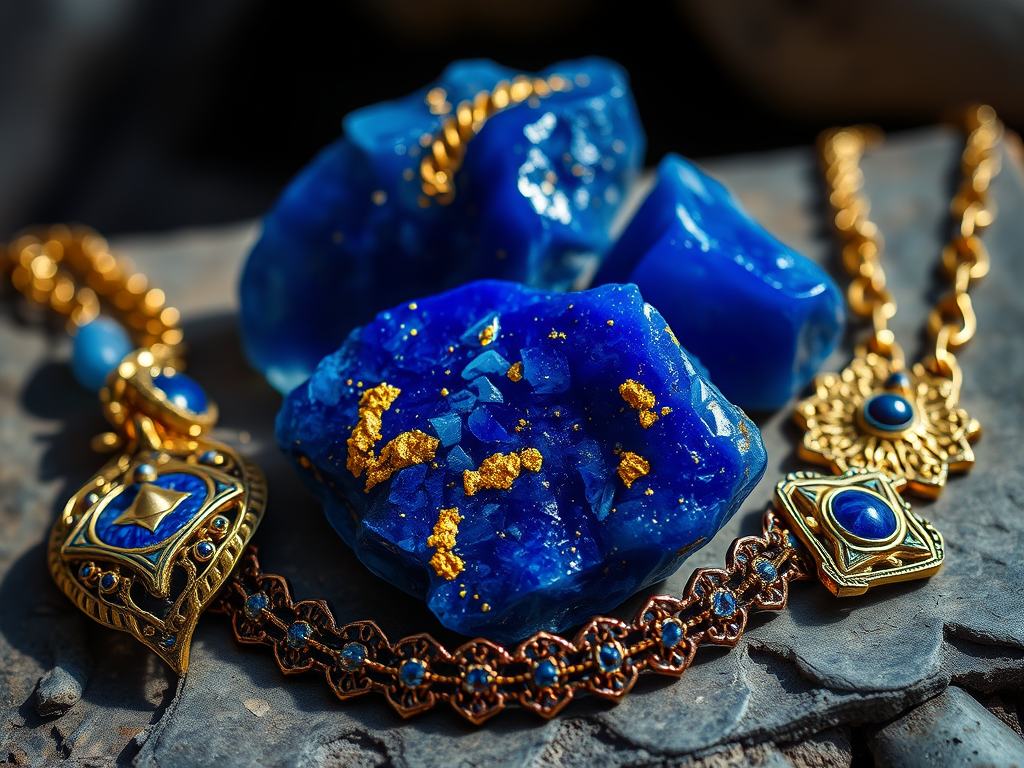
Badakhshan Lapis Lazuli has been the world’s most prized blue gemstone. For over 6,000 years, one name has been synonymous with the most coveted blue stone in human history: Badakhshan. Nestled in the rugged embrace of the Hindu Kush mountains in northeastern Afghanistan, this province is not merely a geographic location; it is the heartbeat of the ancient Silk Road and the only source of “True Blue” Lapis Lazuli.
In this guide, we explore why Badakhshan remains the global gold standard for gemstones and how its unique heritage continues to shape the world of artisanal craftsmanship.
1. Why Badakhshan Lapis Lazuli is Geologically Unique:
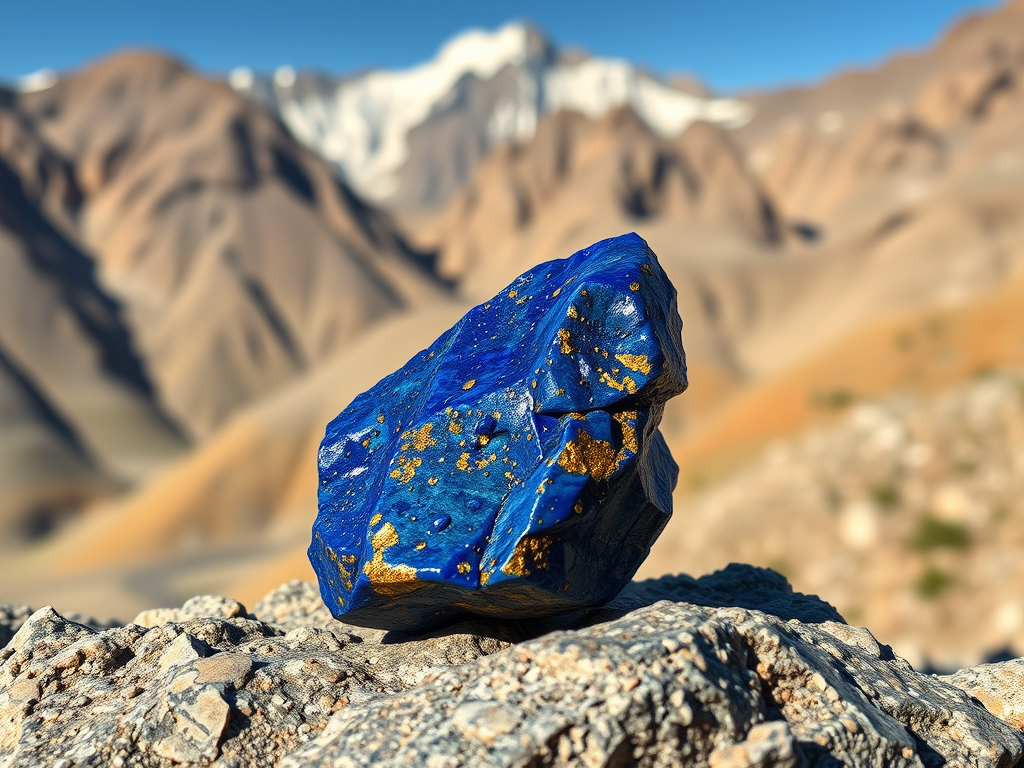
The Lapis Lazuli found in Badakhshan, specifically from the legendary Sar-e-Sang mines,Badakhshan Lapis Lazuli is geologically distinct from deposits found in Chile, Russia, or Myanmar.
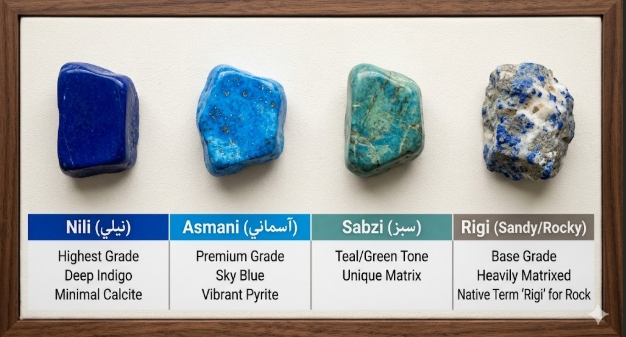
While other regions produce stones with heavy grey calcite or green tints, the high-altitude mines of the Pamir Mountains yield a deep, celestial azure. This is due to the perfect balance of Lazurite, Sodalite, and delicate flecks of Pyrite (often mistaken for gold). To collectors, this “Nili” (Dark Blue) grade is the pinnacle of mineral beauty.
2.A 6,000-Year History of the Blue Stone
The history of Badakhshan is written in blue. Long before the rise of modern empires, the “Stone of Heaven” was traveling by camel caravan from the valleys of Afghanistan to the far reaches of the known world:
- Ancient Egypt: The funeral mask of Tutankhamun and the scarabs of the Nile were crafted using Lapis sourced directly from Badakhshan.
- The Renaissance: Great masters like Michelangelo and Vermeer ground Badakhshan Lapis into Ultramarine pigment, the most expensive paint of the era, to depict the robes of royalty and the divine.
- The Silk Road: As a central hub of the UNESCO Silk Road Heritage, Badakhshan was the bridge where Eastern minerals met Western desire.
3. Artisans of the Pamir Mountains
At Badakhshan-E-Bazaar, we believe that the stone is only half the story. The other half belongs to the artisans. For generations, families in the region have passed down the “Secret of the Stone”—knowing exactly how to cut and polish the brittle Lapis to reveal its inner galaxy.
By sourcing directly from these local workshops, we ensure that:
- Authenticity is Guaranteed: Every stone is verified as a natural product of the Hindu Kush.
- Cultural Preservation: Traditional Afghan stoneworking techniques are kept alive in an age of factory mass-production.
- Fair Trade: Your purchase directly supports the livelihoods of the miners and carvers in the Badakhshan province.
4. How to Identify Authentic Badakhshan Lapis Lazuli
When searching for Authentic Lapis Lazuli, look for these three hallmarks of Badakhshan quality:
- The Color Test: A deep, uniform “royal blue” without a dull grey undertone.
- The Pyrite Pattern: Natural gold-colored flecks should be scattered like stars, not appearing in large, unnatural chunks.
- The Cold Touch: Genuine stone remains cool to the touch, unlike plastic or glass imitations.
Conclusion
Badakhshan is more than a province; it is a legacy of beauty that has survived wars, empires, and time itself. Whether you are a mineral collector or a lover of fine jewelry, owning a piece from this region means owning a fragment of the Earth’s most ancient history.
Explore our latest collection of Authentic Lapis Lazuli Jewelry and Carvings and experience the timeless soul of the Silk Road.