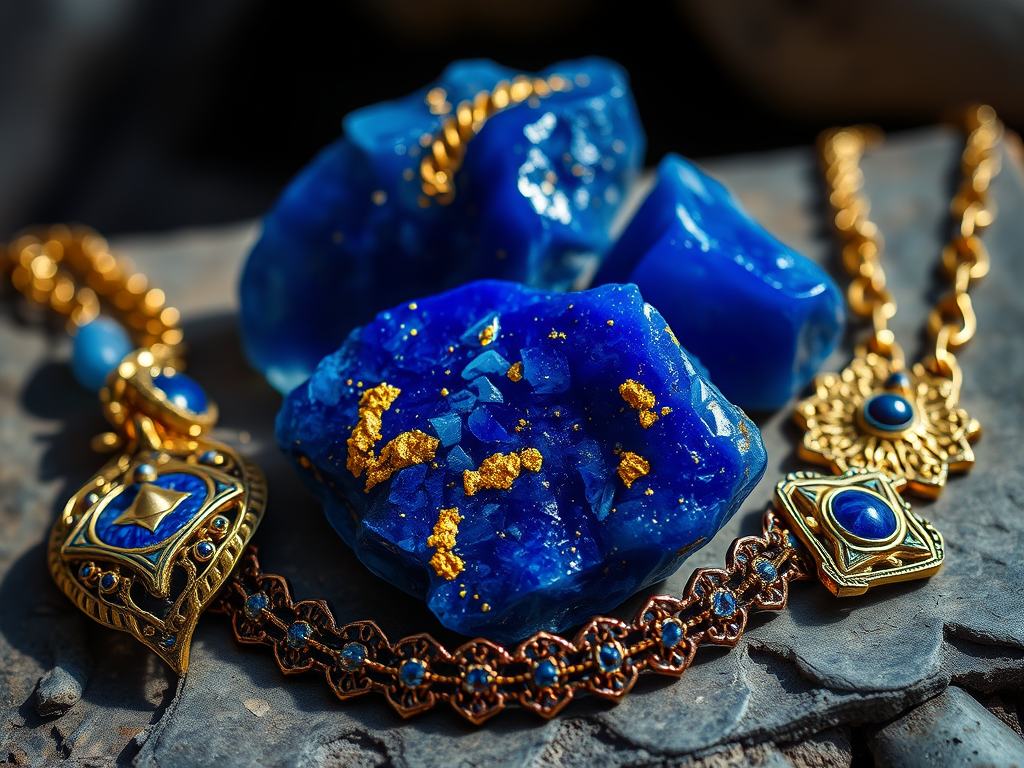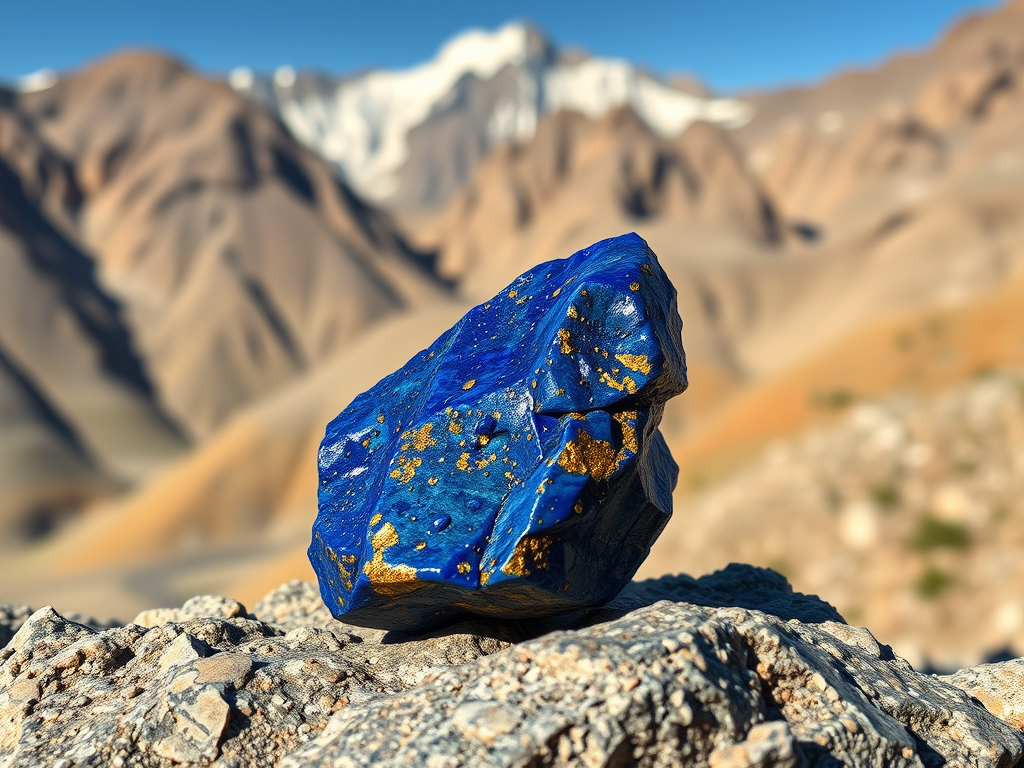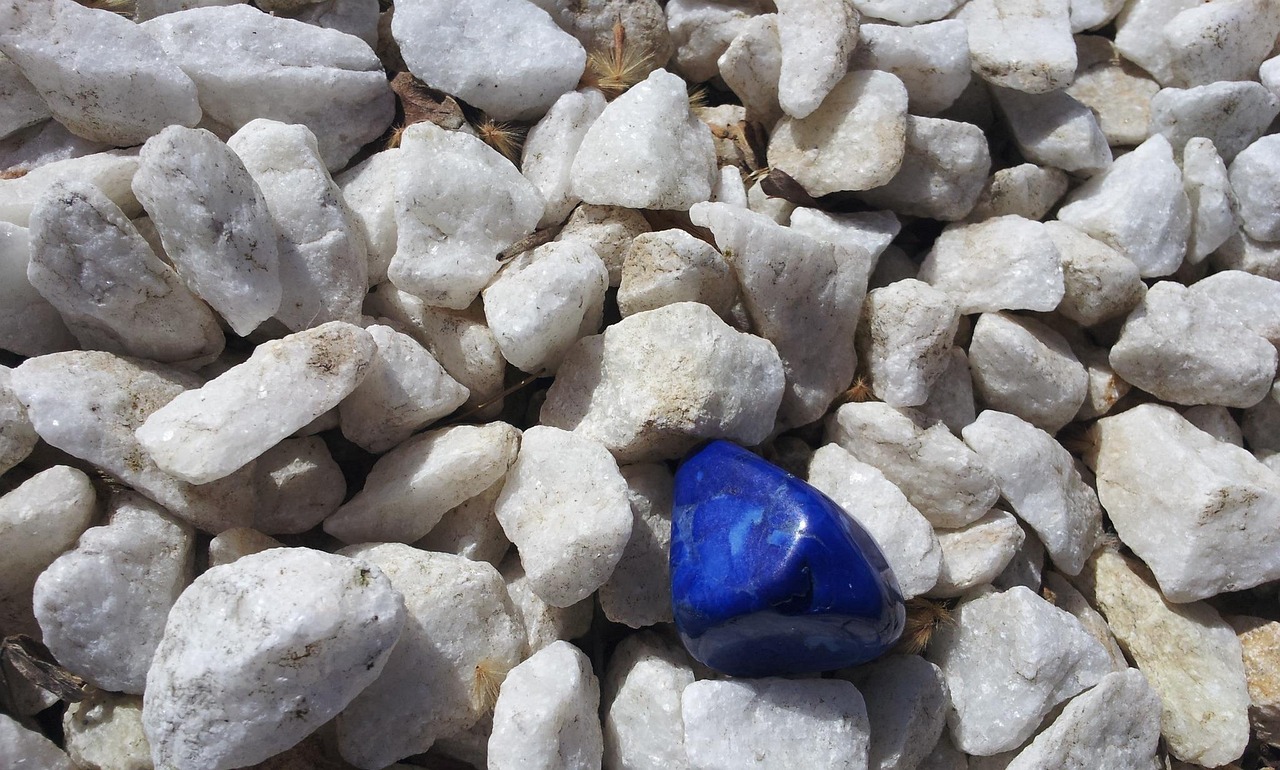
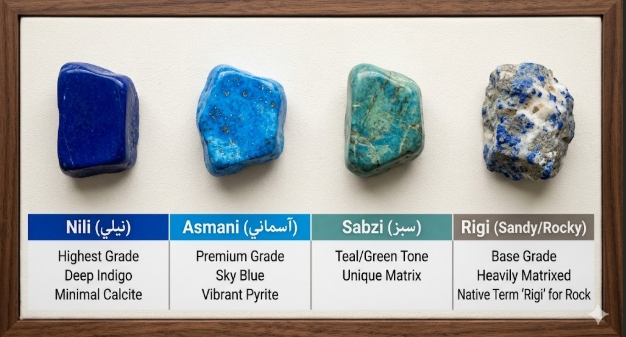
When global gemstone markets evaluate Lapis Lazuli, they often use Western systems like AAA or AA grades. However, deep in the rugged Hindu Kush mountains at the ancient Sar-e-Sang mines, local Afghan artisans and miners have categorized this stone for generations using an ancestral linguistic framework based on color, purity, and matrix density.
If you are researching the historical lineage of the stone or looking to invest in authentic jewelry, understanding these four native terms is essential.
1. Nili (نیلي) – The Royal Indigo
Nili is the absolute pinnacle of Lapis Lazuli quality. Translated directly as “Indigo” or “Deep Blue,” this grade represents the stone at its most flawless saturation.
- Appearance: An intense, uniform, midnight-royal blue.
- Composition: Virtually free of white calcite veins. It contains an incredibly fine, balanced scattering of golden iron-pyrite flecks that mimic a clear night sky.
- Historical Use: This is the exact grade extracted for historical pharaohs and ground down by Renaissance masters like Vermeer to create the legendary Ultramarine paint.
2. Asmani (آسماني) – The Celestial Sky Blue
Asmani translates directly to “Sky Blue” or “Celestial Blue.” It occupies the high-to-mid tier of the artisanal market.
- Appearance: A lighter, brilliant, highly vibrant shade of azure.
- Composition: While it lacks the dense indigo depth of Nili, it possesses an incredible luminosity. It may display slight variations in tone and minor calcite threading.
- Best For: Extremely popular in statement jewelry, drop earrings, and ornamental carvings where brightness is preferred over darkness.
3. Sabzi (سبزی) – The Greenish Matrix
Translating to “Greenish,” Sabzi represents a unique geological variant where the primary lazurite mineral matrix blends heavily with alternative rock minerals.
- Appearance: A distinct greenish-blue or sea-green hue.
- Composition: It features heavier veining, patches of dark host rock, and a more rustic texture.
- Value: While less valuable in traditional high-end jewelry, it is highly sought after by collectors who appreciate rare, earthy, and organic mineral aesthetics.
4. Rigi(ریگی) / Rocky– The Mixed Stone
Rigi or Rocky represents the raw, low-grade matrix stone found on the outer veins of the deposit.
- Appearance: A mottled, multi-colored rock dominated by grey, white, and dull brown tones.
- Composition: High concentrations of white calcite and grey rock, with only small streaks or pockets of blue lapis showing through.
Why Origin Matters: True Nili and Asmani grades can only achieve their signature crystalline stability within the specific high-altitude pressure zones of Badakhshan. To learn how to protect your collection from synthetic imitations, read our technical breakdown on How to Identify Authentic Lapis Lazuli.